Fashion loves telling its story. Craftsmanship, heritage, ateliers bathed in Tuscan light. What it struggles with, far less romantically, is what happens behind the scenes: logistics.
The hidden reality of Made in Italy today is not a perfectly oiled machine, but a fragmented supply chain: small, exceptional producers spread across the territory, often disconnected, sometimes overwhelmed, and increasingly under pressure. It is undeniably a system built on excellence, but not always on efficiency. And in a market that is steadily cooling, correcting, and quietly demanding results, this slowness becomes a problem.
Because while designers and brands bring their ideas and strategies to life, someone still has to find suppliers, produce, and deliver, on time, on budget, and ideally without three existential crises along the way.
The solution? Less poetry, more integration.
The future of Made in Italy will not be about abandoning craftsmanship, but about connecting it, in the right way. Building intelligent, responsive supply chains where information flows as smoothly as silk, and where brands can move from idea to production without losing weeks (or their sanity) along the way.
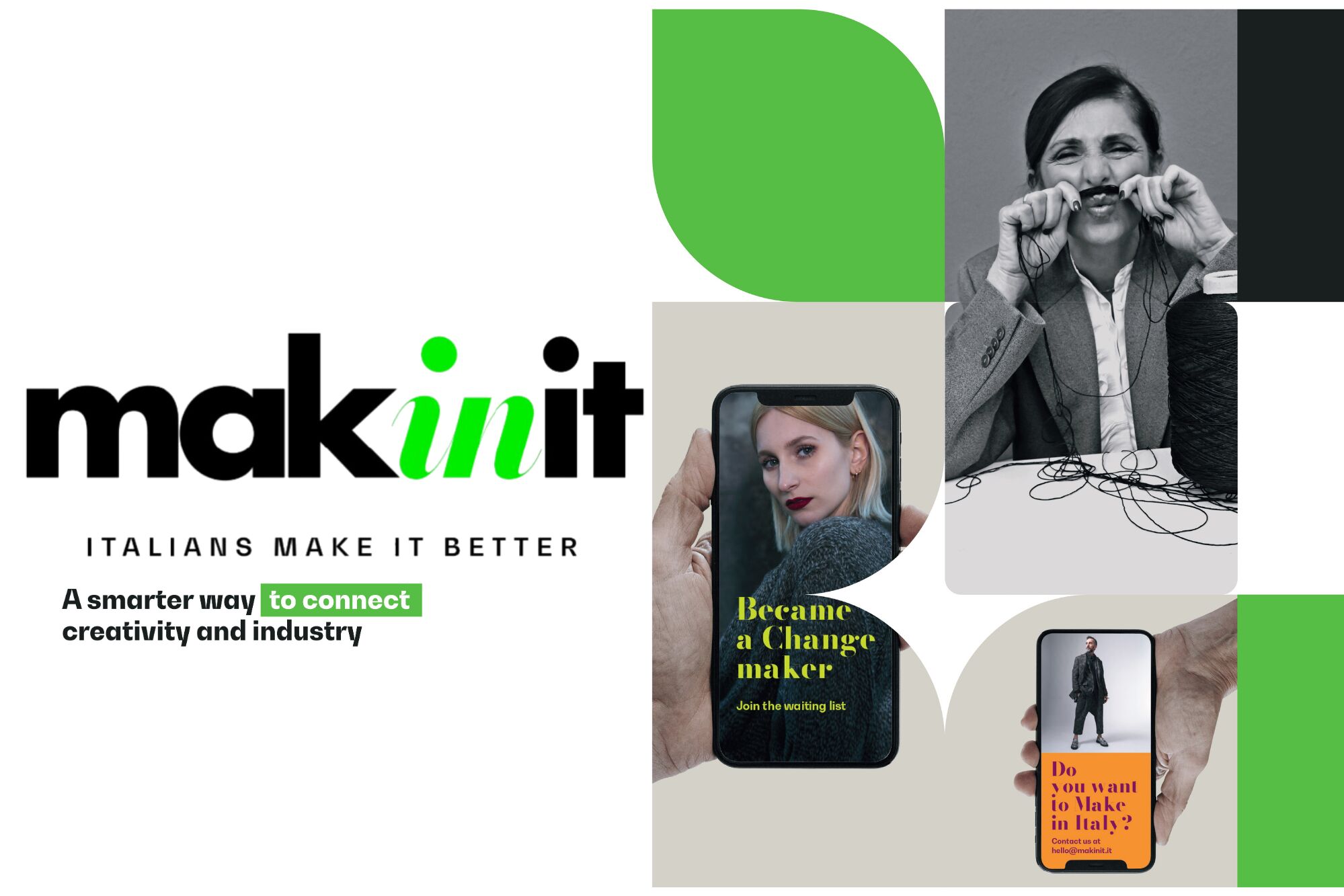
This is where MakinIt comes in.
Don’t think of it as just another platform, but rather as a translator between worlds. It connects brands, suppliers, and professionals into a single operational ecosystem, transforming chaos into a fascinating network that is strategic, scalable, and, above all, usable.
Instead of endless emails, delayed samples, and “who actually makes this?” moments, MakinIt brings visibility. Speed. Structure. In other words, everything the current system elegantly avoids. And this is where fashion fantasy meets reality. Because digital transformation is no longer optional — it’s survival, just with a better user experience.
One can’t help but wonder: if Miranda Priestly were running a brand today, would she still rely on assistants rushing through corridors, or would she quietly expect a fully digitised supply chain by Monday morning? (“That’s all.”)
These are not easy times. Let’s be realistic. Costs are rising, margins are shrinking, and patience, from both brands and producers, is wearing thinner by the day. The industry can no longer afford inefficiencies disguised as tradition.
The opportunity, however, is clear.
By combining craftsmanship with digital connectivity, Italy can move from a fragmented model to a coordinated system, one that preserves its unique value while finally operating at the speed the market demands.
Because in the end, the future of fashion won’t just be beautifully designed.
It will need to function flawlessly too.
La moda ama raccontarsi bene. Artigianalità, heritage, atelier immersi nella luce toscana. Quello con cui ha più difficoltà, in modo decisamente meno romantico, sta nel dietro le quinte: la logistica.
La realtà nascosta del Made in Italy oggi non è una macchina perfettamente oliata, ma una filiera frammentata: piccoli produttori preziosi distribuiti sul territorio, spesso scollegati, a volte sovraccarichi e sempre più sotto pressione. Decisamente è un sistema costruito sull’eccellenza, ma non sempre sull’efficienza. E in un mercato che si sta sempre di più raffreddando, correggendo e chiedendo risultati in modo sempre più silenzioso ma concreto, questa lentezza diventa un problema.
Perché nel mentre designer e brand danno vita alle loro idee e strategie, c’è qualcun altro che nel frattempo deve comunque trovare fornitori, produrre e consegnare nei tempi, nei costi e possibilmente senza tre crisi esistenziali nel mezzo.
La soluzione? Meno poesia, più integrazione.
Il futuro del Made in Italy non sarà abbandonare l’artigianalità, ma connetterla. Nel giusto modo. Costruire filiere intelligenti e reattive, dove le informazioni scorrono fluide come la seta e dove i brand possono passare dall’idea alla produzione senza perdere settimane (o la sanità mentale) lungo il percorso.
Qui entra in gioco MakinIt.
Non pensatela solamente come la solita piattaforma, ma piuttosto come un traduttore tra mondi. Connette brand, fornitori e professionisti in un unico ecosistema operativo, trasformando il caos in un’affascinante rete strategica, scalabile e, soprattutto, utilizzabile.
Al posto di e-mail infinite, campionature in ritardo e momenti di “ma chi lo produce davvero questo?”, MakinIt porta visibilità. Velocità. Struttura. In altre parole, tutto ciò che il sistema attuale tende elegantemente a evitare. Ed è qui che la fantasia della moda incontra la realtà. Perché la trasformazione digitale non è più opzionale: è sopravvivenza, ma con una user experience migliore.
Viene quasi da chiedersi: se Miranda Priestly gestisse oggi un brand, si affiderebbe ancora ad assistenti che corrono per i corridoi, o pretenderebbe silenziosamente una filiera completamente digitalizzata entro lunedì mattina? (“E’ tutto”)
Non sono tempi semplici. Siamo realisti. I costi salgono, i margini si riducono e la pazienza, sia dei brand che dei produttori, si assottiglia sempre di più. Il settore non può più permettersi inefficienze mascherate da tradizione.
L’opportunità, però, è chiara.
Combinando l’artigianalità e la connessione digitale, l’Italia può passare da un modello frammentato a un sistema coordinato, capace di preservare il proprio valore unico e finalmente operare alla velocità richiesta dal mercato.
Perché alla fine, il futuro della moda non sarà solo disegnato bene.
Dovrà funzionare in modo impeccabile.