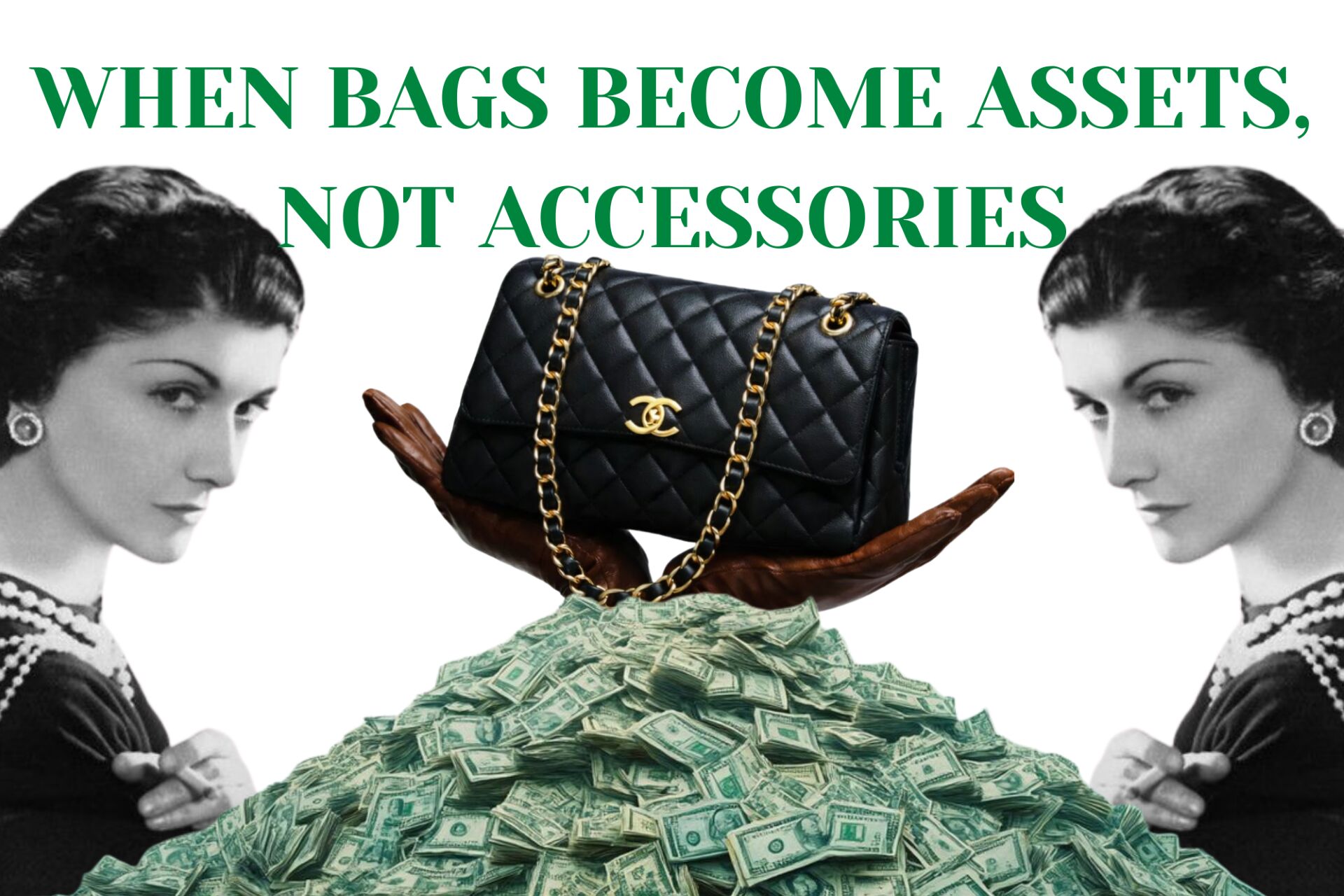
There was a time when fashion was aspirational in a very human way. The kind that made you dream, save, run the numbers, and say, “Right, no weekend trips this year, I’m buying that bag.”
It wasn’t cheap, but it was attainable. A milestone purchase. A reward after long months of work. A serious indulgence, yes, but one that still belonged to real life.
Fast forward to today, and buying an accessory feels less like a treat and more like applying for a small loan. Possibly with a guarantor. And maybe a background check.
Take a look at luxury bags and shoes, Prada included. Twenty years ago, they were expensive, but still anchored in reality. Luxury, yes. Fantasy, no. A professional with a stable job and a bit of planning could still say, “This year, I’m treating myself.” It was a stretch, not a heroic quest.
Today? With the same salary, you can afford the shopping bag. The paper one. If it’s on sale.
Prices, meanwhile, have risen with Olympic-level discipline: silent, elegant, relentless. Salaries have stayed loyally parked somewhere around 2006. The result is surreal. People who work, pay mortgages, file taxes, and keep the economy functioning now stand outside boutiques as if they’re assessing a property investment: “Nice bag… but what’s the resale value?”
And this isn’t really about wealth or flexing. It’s about identity. Style. Belonging. For many, a branded accessory was never about shouting status, it was about expression. About coherence. About feeling aligned with who you are.
But when “entry-level” luxury crosses psychological price thresholds once reserved for heirloom leather goods, the message changes. It’s no longer “dream and work for it.” It becomes: “This isn’t for you.” Full stop.
Here’s the irony: while prices rise, sales are quietly falling. Because dreams you can’t even approach eventually stop being dreams. They become museum pieces. Beautiful, distant, untouchable.
And maybe, just maybe, the new status symbol isn’t the bag anymore.
Maybe it’s style itself. Being well dressed. Being interesting. Being recognisable. Having taste without needing a logo the size of a billboard.
Perhaps the real flex of the future won’t be what you carry, but how you dress.
Now the question shifts:
If luxury becomes unreachable, does it stay desirable or does it become irrelevant?
Let’s see what Paris has to say next week.
C’è stato un tempo in cui la moda era aspirazionale in un modo profondamente umano. Quel tipo di desiderio che ti faceva sognare, risparmiare, fare due conti e dire: “Bene, niente weekend fuori porta quest’anno, mi compro quella borsa.”
Non era economica, ma era accessibile. Un acquisto simbolico. Una ricompensa dopo lunghi mesi di lavoro. Un’indulgenza importante, sì, ma ancora dentro i confini della vita reale.
Oggi, invece, comprare un accessorio sembra meno un piacere e più una richiesta di piccolo prestito. Possibilmente con garante. E magari anche con un controllo dei precedenti.
Basta guardare borse e scarpe di lusso, Prada inclusa. Vent’anni fa erano costose, certo, ma ancora ancorate alla realtà. Lusso, sì. Fantasia, no. Un professionista con un lavoro stabile e un po’ di pianificazione poteva ancora dire: “Quest’anno mi faccio un regalo.” Era uno sforzo, non un’impresa eroica.
Oggi? Con lo stesso stipendio puoi permetterti la shopping bag. Quella di carta. Se è in saldo.
Nel frattempo, i prezzi sono saliti con disciplina olimpica: silenziosi, eleganti, inarrestabili. Gli stipendi sono rimasti fedelmente parcheggiati più o meno al 2006. Il risultato è surreale. Persone che lavorano, pagano il mutuo, fanno la dichiarazione dei redditi e tengono in piedi l’economia ora stanno fuori dalle boutique come se stessero valutando un investimento immobiliare: “Bella borsa… ma qual è il valore di rivendita?”
E non è davvero una questione di ricchezza o di ostentazione. È una questione di identità. Di stile. Di appartenenza. Per molti, un accessorio firmato non è mai stato un modo per urlare status, ma per esprimersi. Per sentirsi coerenti. Allineati con ciò che si è.
Ma quando il “lusso entry-level” supera soglie psicologiche di prezzo un tempo riservate a beni in pelle destinati a durare una vita, il messaggio cambia. Non è più “sogna e lavora per ottenerlo.” Diventa: “Questo non è per te.” Punto.
E qui sta l’ironia: mentre i prezzi salgono, le vendite calano silenziosamente. Perché i sogni che non puoi nemmeno avvicinare, prima o poi smettono di essere sogni. Diventano pezzi da museo. Belli, distanti, intoccabili.
E forse, solo forse, il nuovo status symbol non è più la borsa.
Forse è lo stile in sé. Essere ben vestiti. Essere interessanti. Essere riconoscibili. Avere gusto senza bisogno di un logo grande come un cartellone pubblicitario.
Forse il vero lusso del futuro non sarà ciò che porti con te, ma come ti vesti.
Ora la domanda cambia:
Se il lusso diventa irraggiungibile, resta desiderabile, o diventa irrilevante?
Vediamo cosa avrà da dire Parigi la prossima settimana.